Bubble's 2026 Monetization Data: How Non-Technical Builders Can Turn MVPs into Paid Products
Bubble analyzed 250,000+ deployed apps: 31% of monetizing apps take their first payment on day 1. Why rapid launch speed means little without early pricing and steady iteration.
For non-technical founders turning to no-code and vibe coding to test startup ideas, launch speed is often treated as the ultimate trophy. The assumption is simple: build in three days, publish, and wait for revenue. However, observational data from Bubble's "The Business of Building 2026" report—covering telemetry from over 250,000 deployed applications—tells a more grounded story about what actually happens after deployment. Worth reading next: Bubble 2026 Data: How Non-Technical.
Bubble reports that a typical app deploys in about 3 days. Yet deployment speed alone does not separate hobby projects from viable businesses. When looking at apps that monetize (defined as processing payments via the native Stripe plugin or a payment API), several clear patterns emerge. Worth reading next: The Business of Building 2026:. Same topic: Bubble Business of Building 2026:.
1. Price Early: Day-One Paywalls Beat Courtesy Feedback
Non-technical founders frequently delay monetization, waiting until the user interface looks flawless. The data suggests that revenue validation happens much earlier:
- Roughly 31% of monetizing apps trigger a payment workflow on day 1 of deployment.
- The median time from first deploy to first payment among monetizing apps is about 8 days.
When validating an MVP or micro-SaaS, asking for payment immediately filters polite encouragement from genuine demand. If users will not enter credit card details to solve their problem, adding more features rarely changes the equation.
2. Shipping Cadence: 45 Deploys vs. 2
Vibe coding and visual builders make creating an initial product remarkably fast. But real-world traction requires continuous adjustments based on user behavior:
- Monetizing apps average around 45 deploys in their first six months (~20× more than non-monetizing apps, which average roughly 2 deploys).
- Monetizing apps register a median of ~614 edits across ~46 active days (compared to ~25 edits across ~4 days for non-monetizing apps).
- The median editing streak is ~9 days versus ~2 days.
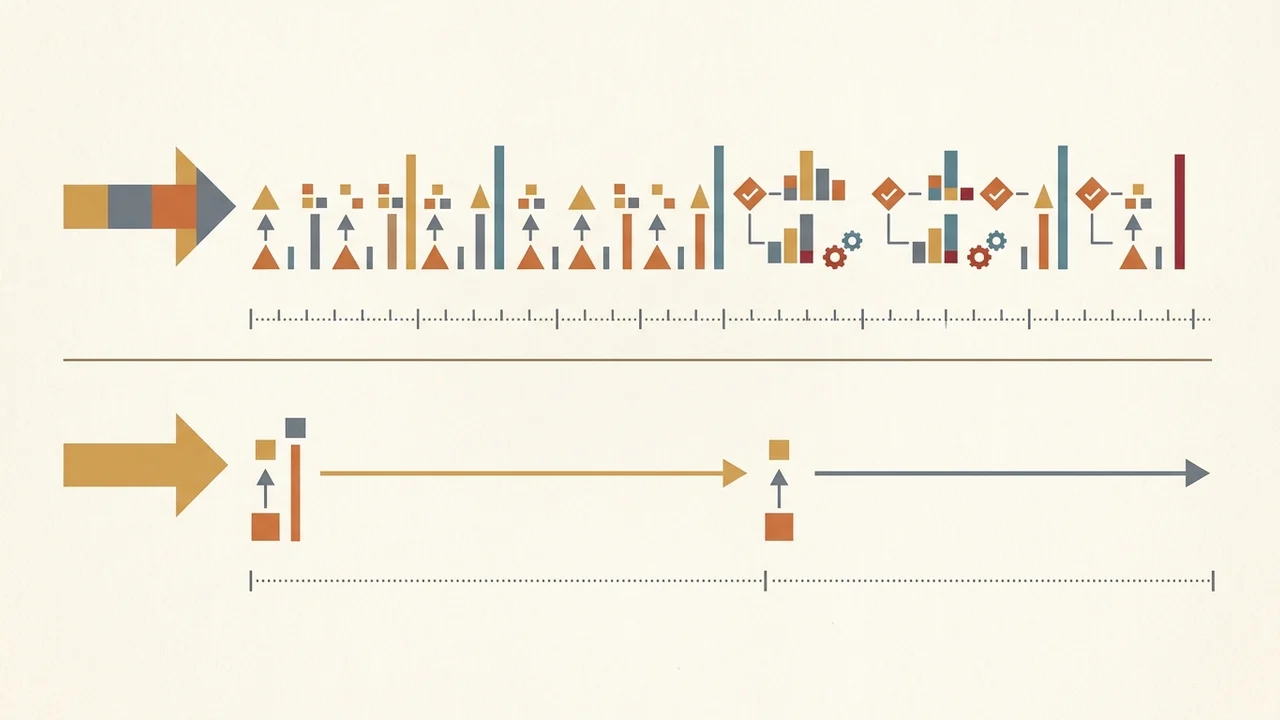
For an independent founder, no-code is not just a tool for building once—it is an engine for iterative adaptation. Speed of refinement matters far more than launch speed.
3. Solo Builders vs. Teams
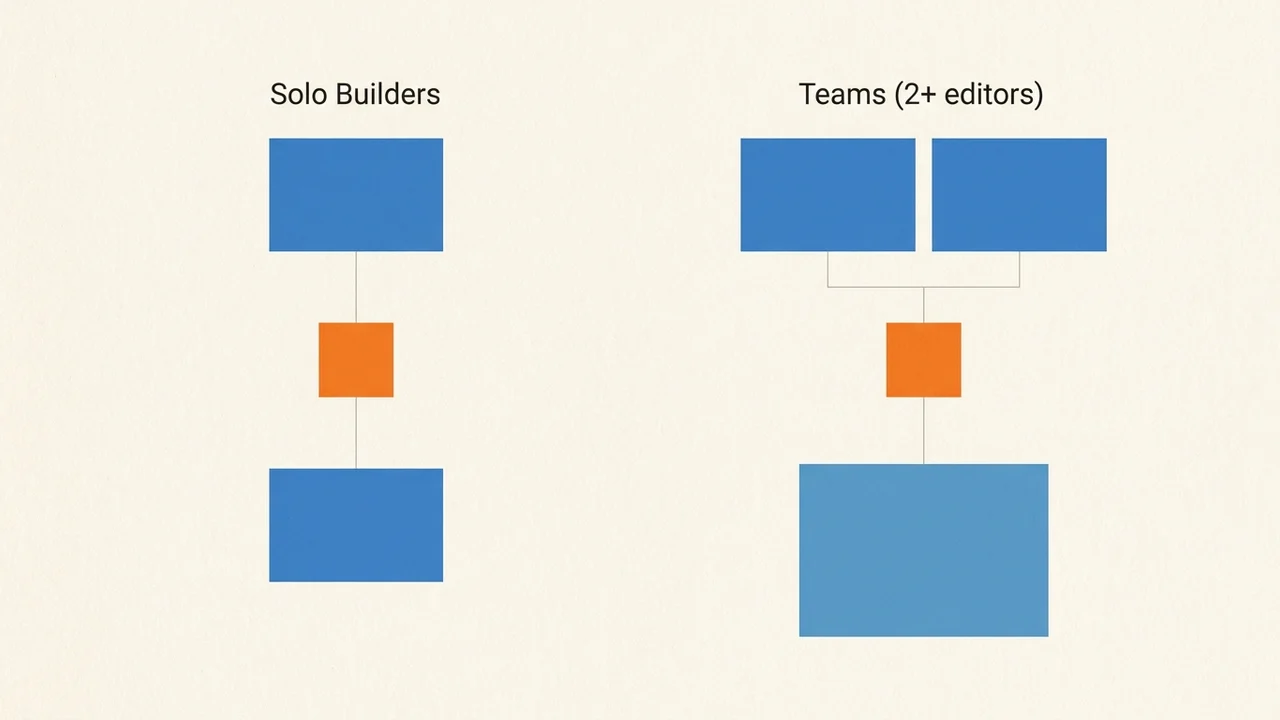
According to the report, about 70% of monetizing apps are built by a single editor. Solo validation on no-code remains entirely viable for initial customer discovery.
At the same time, teams with 2+ editors show a slightly higher monetization rate (10.8% vs. 7.5%, roughly 1.4×). Having one collaborator focus on customer outreach, support, or distribution while the other manages workflows in Bubble provides a measurable advantage. Same topic: Business of Building 2026: Monetization.
4. AI Integrations as Utility, Not Gimmicks
Bubble observed that 28% of apps connecting external AI via API monetize, compared to 10% of apps without AI (within the same year cohort). Furthermore, AI tools (38%) and SaaS (33%) dominate category tags during initial AI-prompted builds.
Plugging an LLM into an app via Bubble's API Connector is straightforward, but users do not pay for generic prompts. The lift in monetization occurs when AI automates a time-consuming manual task—such as transcription, report summarization, or structured classification—delivering immediate utility.
Critical Context: Correlation vs. Causation
When evaluating vendor telemetry, keep methodological constraints in mind:
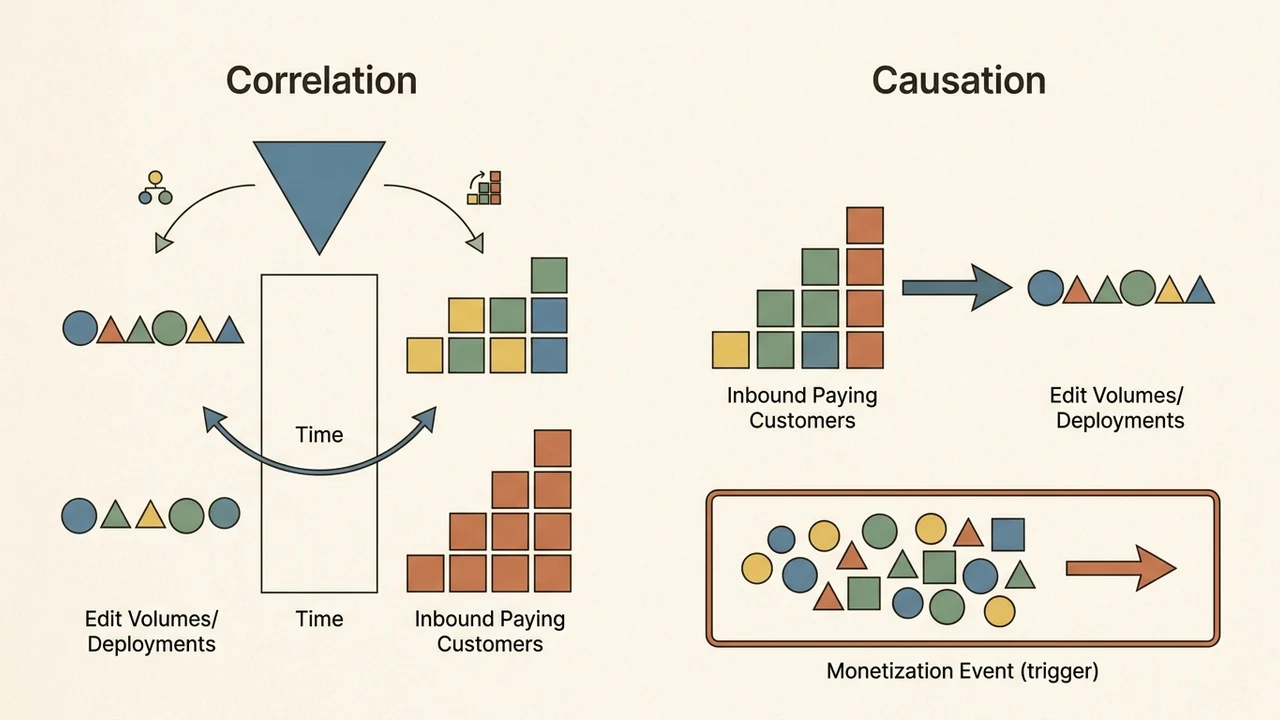
- Observational correlation: High edit volumes and frequent deployments often follow inbound paying customers rather than cause them.
- Monetization definition: In this dataset, "monetizing" reflects a triggered payment transaction through Stripe or an API. It does not disclose profit margins, customer lifetime value, or churn.
Practical Playbook for Non-Technical Founders
- Scope for two weeks: Focus strictly on the core problem and the primary user action.
- Include Stripe on day one: Treat payments as a validation metric, not a post-launch milestone.
- Budget time for the post-launch loop: Plan for weekly iterations. An MVP is not validated by deployment, but by how quickly you adapt to customer feedback.