Bubble Business of Building 2026: 250k+ Apps — Monetization Patterns That Fit a Solo Developer
Bubble’s Business of Building 2026 analyzed 250,000+ live apps. Rather than complex pricing tiers, the data reveals four practical execution habits that enable non-technical solo founders to validate MVPs and collect revenue quickly.
When launching an MVP using visual nocode platforms and vibe-coding, non-technical founders often get stuck polishing features in isolation. Fearing rejection or technical edge cases, many delay billing under the guise of an extended free beta.
Bubble’s Business of Building 2026 report and blog analysis (released September 2026) shed light on what actually happens across 250,000+ deployed Bubble applications. Tracking deploys, workspace edits, and verified payment events over a 180-day window from first deploy, Bubble defines a monetized app as one that executes at least one payment workflow via the native Stripe plugin or a payment API. Same topic: Business of Building 2026: Monetization.
Crucially for solo builders, the report’s "monetization patterns" are not theoretical pricing taxonomies—they are observable engineering and operational habits. A closer look: Business of Building 2026: which.
1. Charge Early
One of the most striking findings in the 250k+ dataset: ~31% of apps that generate revenue process their first transaction on Day 1. Across all monetized projects, the median time from initial deploy to the first successful charge is just 8 days.
For a non-technical creator, this invalidates the instinct to keep an app free indefinitely. Wire a live payment flow into your initial launch version. Validating genuine customer demand requires seeing whether a user will part with money to solve their problem.
2. Ship Steadily
Monetized products maintain an active release cadence. The median monetized app registers ~45 deploys over its first six months, compared to a median of ~2 deploys for non-monetized projects (a ~20× difference).
Rapid iteration is the natural advantage of nocode. Rather than bundling dozens of features into major quarterly releases, deploy micro-updates as soon as you refine a form, clarify copy, or streamline a user workflow.
3. Edit Ruthlessly
Revenue-generating apps show sustained hands-on engagement: a median of ~614 edits across ~46 distinct active days, compared to ~25 edits across ~4 days for non-monetized apps. Their longest consecutive editing streak averages ~9 days versus ~2 days.
Launching an MVP is an active calibration process. Visual builders allow you to respond directly to user friction points within hours without having to write or refactor complex codebases.
4. Build Boldly with AI
Apps incorporating external AI features via API calls monetize at an incidence of ~28%, compared to ~10% for applications without AI integrations (nearly a 3× difference in monetization share within the report cohort).
Among app ideas submitted during AI-assisted scaffolding, AI tools (~38%) and SaaS platforms (~33%) accounted for 71% of total intent, with marketplaces at ~15% and internal tools at ~7%. For a solo operator, wrapping an AI API endpoint in a clean, guided user interface provides immediate utility that users are willing to pay for on day one.
Solo vs. Team Dynamics
The dataset provides strong encouragement for individual builders: ~70% of all monetizing Bubble apps were built by a single developer. While multi-editor setups see a higher platform monetization rate (10.8% for teams with 2+ editors versus 7.5% for solo creators), the vast majority of revenue-generating software on the platform starts with one person. Same topic: Business of Building 2026: Monetization.
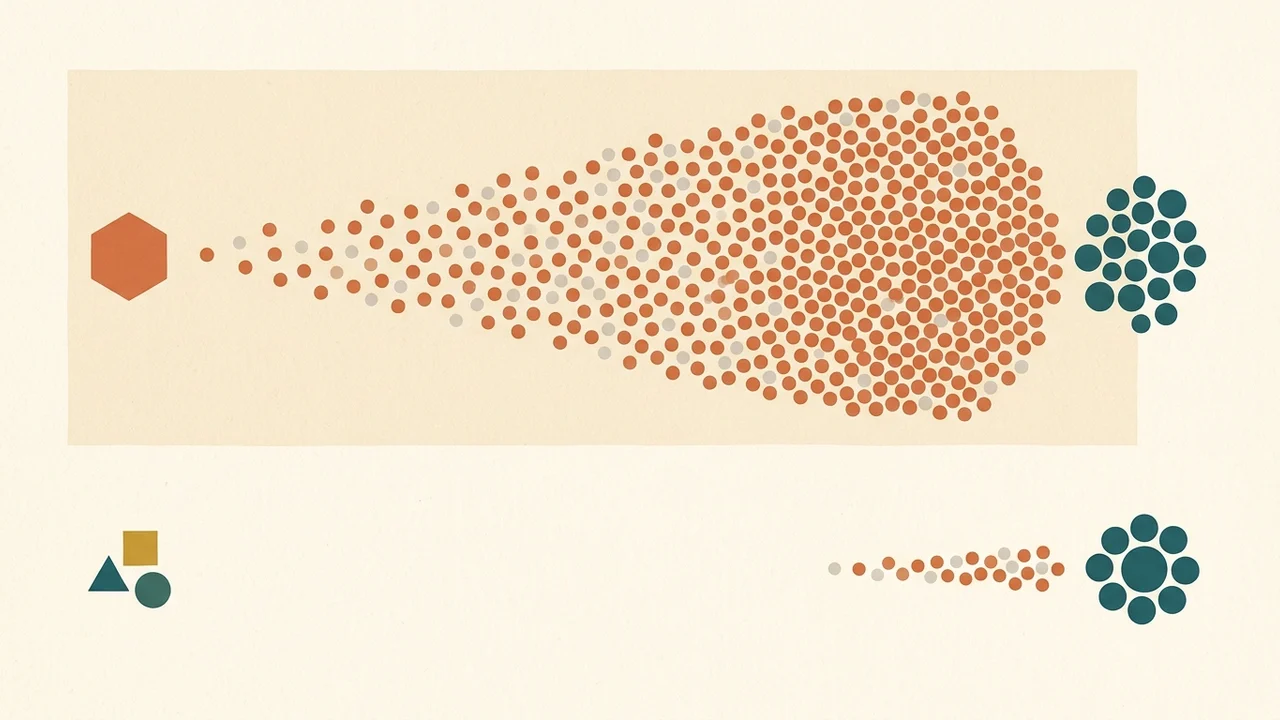
A Solo Developer’s Implementation Menu
While Bubble’s report analyzes platform-wide behavioral correlations rather than guaranteed revenue models, wiring payment flows via Stripe or external APIs suggests three straightforward packaging options for solo builders:
- One-Time Charge or Credit Pack: The simplest workflow for standalone AI utilities, calculators, or templates. A single Stripe Checkout session validates buyer interest without the overhead of subscription management.
- Flat Monthly Subscription: Ideal for micro-SaaS tools providing ongoing value. Stick to one or two transparent tiers.
- Marketplace Transaction Fee: A take rate on peer-to-peer interactions, wired directly through payment provider split-flow APIs.
Data from 250,000+ deployments demonstrates that commercial validation does not require complex teams or long development cycles. Connect a payment action, deploy your MVP early, and iterate in public based on real user actions.