Workflow engine alpha: “end of September” vs silence — keep n8n another quarter?
With late September silence surrounding Bubble’s promised workflow engine alpha, non-technical founders racing to ship an MVP need practical clarity. Here is the operational call on keeping n8n for another quarter instead of waiting on platform updates.
When you are building a startup using no-code tools and vibe-coding practices, your priority is simple: launch your MVP fast, validate customer demand, and secure initial feedback or investor interest. In this phase, waiting on roadmap promises instead of shipping can stall your momentum. Same topic: BubbleGo’s end and npm in.
In Bubble’s September 2026 community update (published September 3), leadership stated they planned to open the workflow engine alpha “later this month,” adding native branching and looping. That followed an August update targeting alpha testing “very soon,” while the July founder AMA framed the work in the “medium term” without setting a hard release date. As of September 28, public channels show no open alpha rollout or community sign-up kickoff. In contrast, other features like the mobile plugin editor moved from alpha to a public beta on September 22. On the workflow engine front, month-end is met with silence. A closer look: Bubble September 2026 Update: The. A closer look: Bubble September Update: workflow alpha.
For non-technical builders looking at Q4 planning, this brings an immediate operational decision: should you wait for native workflow improvements or keep n8n in your architecture for another quarter? The answer is straightforward: do not pause your launch, and lock in your current stack for Q4. Same topic: Bubble AI planning sessions: structured.
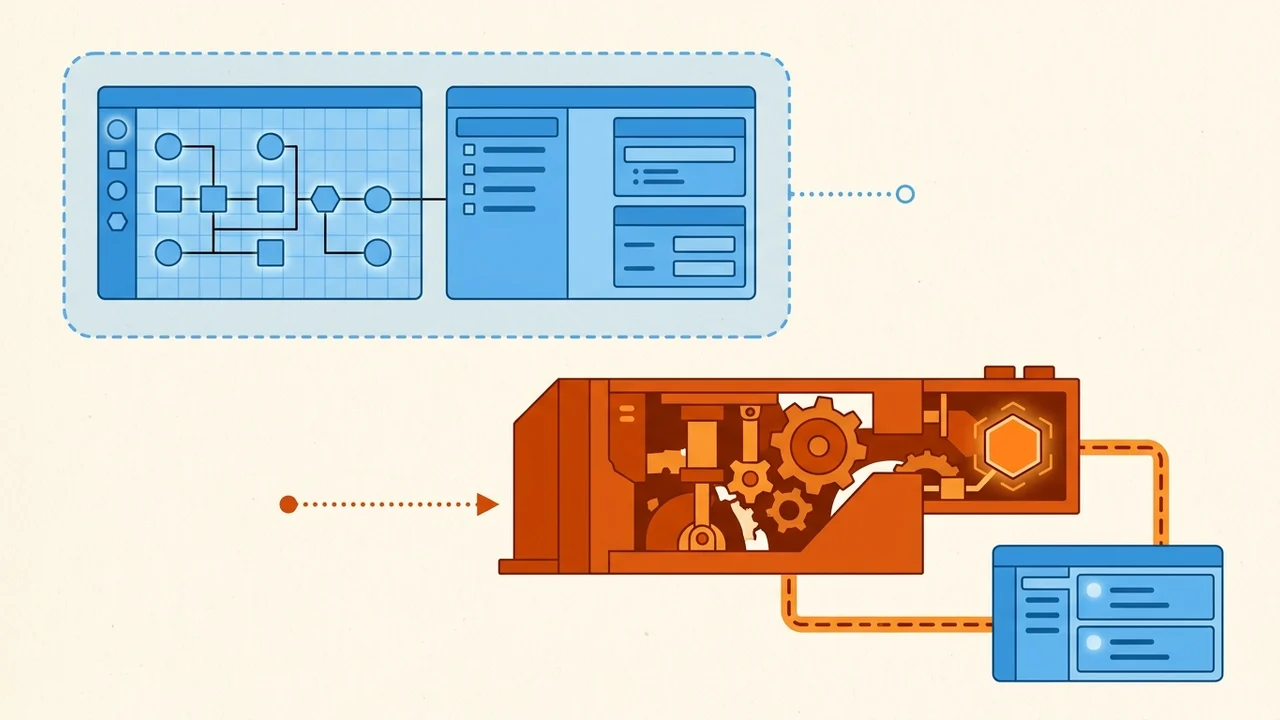
Disambiguating the Editor UX vs. Execution Engine
To make clear architectural choices, founders must distinguish between two separate milestones:
- The New Workflow Tab: The editor interface that reached general availability in 2025. It organized the canvas and action layout visually, but it did not alter the backend execution engine.
- The 2026 Workflow Engine: The deep architectural overhaul currently in progress. It is designed to introduce native control flow (if/else branching, for/while loops), try/catch error handling, and reworked concurrency and data consistency. Same topic: BuildPrint vs Codex CLI MCP.
| Milestone | What it is | What it is not |
|---|---|---|
| The New Workflow Tab | Editor interface that reached general availability in 2025; organized the canvas and action layout visually | Did not alter the backend execution engine |
| The 2026 Workflow Engine | Deep architectural overhaul currently in progress; designed to introduce native control flow (if/else branching, for/while loops), try/catch error handling, and reworked concurrency and data consistency | Not the 2025 editor UX milestone (canvas/action layout only) |
The MVP Dilemma: Why Waiting on Alpha Is High Risk
Even if Bubble announces the alpha in early October, platform alphas follow a consistent pattern: they are volunteer-driven, activated on a per-app basis, and intentionally rough around the edges.
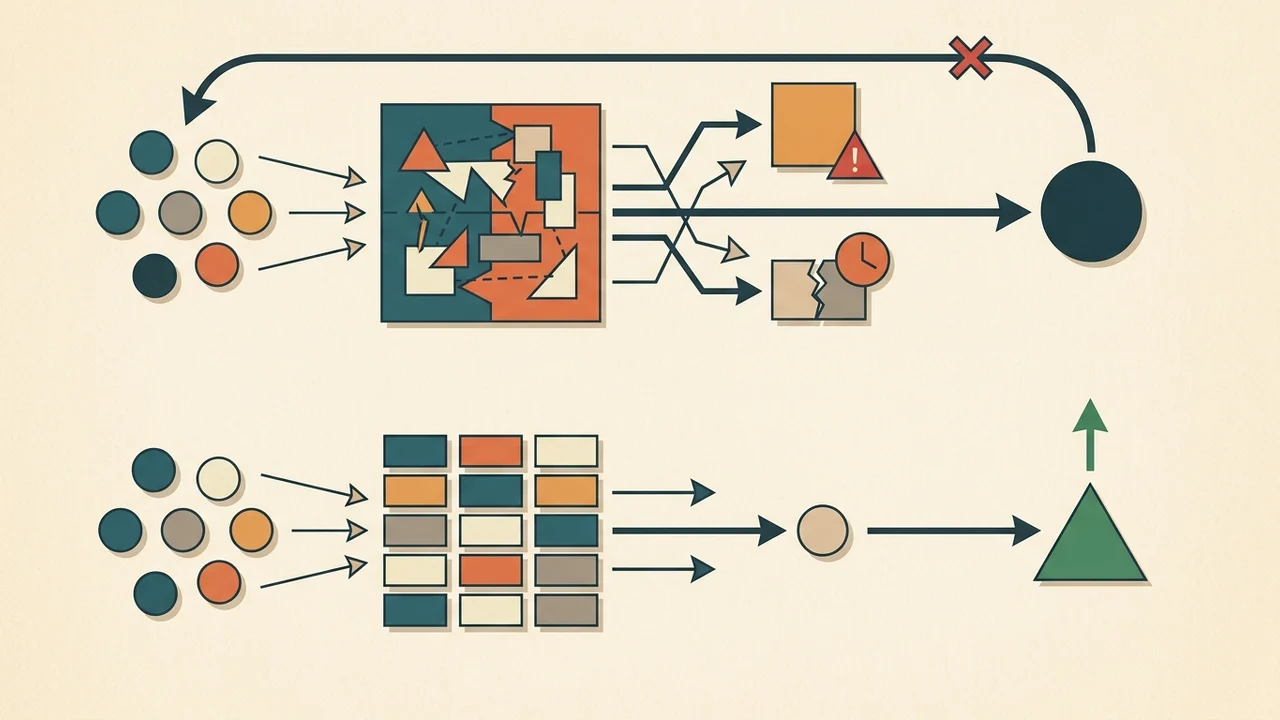
An alpha release is an experimental testbed, not a production environment. When your goal is to acquire first users, test conversion, or pitch an early prototype, routing critical business logic through an untested execution engine introduces unforced risks. Any workflow timeout, data mismatch, or unexpected bug during onboarding can derail user trust before you gain traction.
What Stays in n8n for Another Quarter
Integrating Bubble with n8n via the API Connector, incoming webhooks, or the native n8n Bubble node remains the most reliable pattern for non-technical founders handling non-linear logic. You should keep the following flows in n8n throughout Q4:
- Heavy Loops and Batch Operations: Iterating through arrays, batch-updating records, or compiling summaries that would otherwise require complex recursive backend workflows in Bubble.
- Multi-Step Third-Party Orchestrations: Sequences connecting external CRMs, payment gateways, email marketing platforms, and webhooks.
- AI Agent Pipelines: Chaining LLM calls, handling unstructured data parsing, and routing conditional tool outputs before writing back to Bubble.
While running two platforms introduces integration considerations—such as payload handling and monitoring webhook failures—it delivers immediate execution stability.
What Stays Native in Bubble
Keep your native Bubble layer lightweight and focused on what it handles best:
- User authentication and permissions enforced through Privacy Rules.
- Standard, single-step CRUD operations tied directly to UI interactions.
- Direct feedback loops (e.g., clicking a button, updating an item status, displaying an alert).
Actionable Takeaway for Q4
- Do not delay your MVP: Build and launch with the proven Bubble + n8n architecture available today. Speed to customer feedback beats waiting for native features.
- Commit for the quarter: Treat your automation layer as settled for the next three months so your team can focus on distribution and user retention.
- Isolate alpha testing: If and when workflow engine alpha invites arrive, evaluate them inside a sandboxed test clone. Never migrate live user-facing or transactional workflows until features reach general availability.
Your startup succeeds by solving problems for real users today, not by waiting for next month’s platform announcements.