The Node.js/PHP CVE and Bubble’s Reply: ‘No Claimed Customer-Data Access’ Is a Platform Note, Not Permission to Skip Your Plugins
Bubble responded to the Node.js and PHP vulnerabilities by saying no customer data access was found. Here’s what non-technical founders building an MVP should take from it: platform security is one thing, plugin and privacy hygiene is another.
On 23 October 2026, Bubble published an update on recent Node.js and PHP security patches. I read it the way a non-technical founder would. Someone launching an MVP on no-code tools or vibe-coding a prototype, trying to test the idea fast, get early customer feedback, and get ready for the first angel conversations. In that rush, infrastructure security feels like someone else’s problem. Then the platform drops an incident bulletin. A closer look: Governance Week: Cursor Canvases vs.
Bubble’s reassurance was direct. It found “no way to use these vulnerabilities to access customer data or gain elevated privileges,” saw “no sign of exploitation since the disclosure,” and told creators that “No action is required from Bubble users.” It also promised continued monitoring.
If you’re non-technical, that reads like full relief: the vendor patched it, so my app is safe. I wouldn’t read it that way. A platform runtime update and your app’s security posture are two different things, and mixing them up is a risky mistake.
What Bubble Actually Stated vs. Platform Boundaries
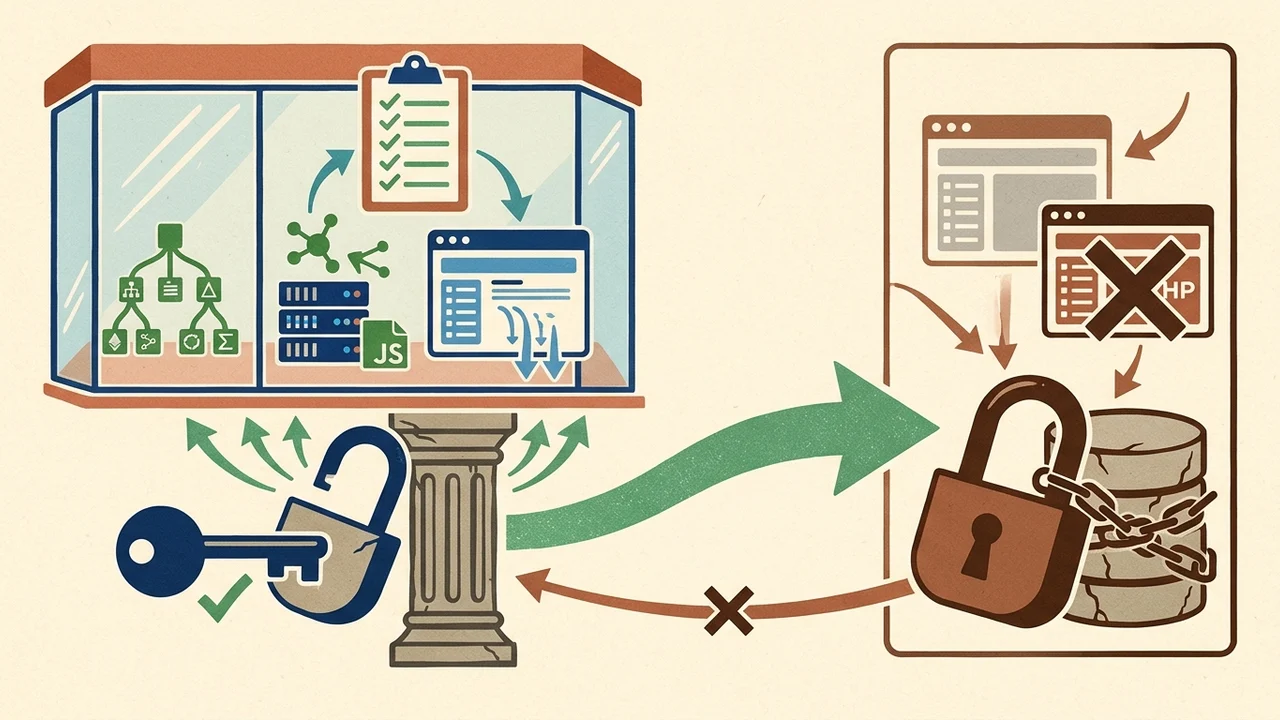
Bubble explained how its environment works. Parts of the platform run on Node.js. The team evaluated the advisories and deployed the relevant updates. PHP doesn’t run on Bubble at all. Bubble also completed vendor outreach and reported no known impact to its infrastructure or hosted applications.
| Topic | Stated / applies on Bubble | Platform boundary (does not apply) |
|---|---|---|
| Node.js | Parts of the platform run on Node.js | — |
| PHP | — | PHP does not run on Bubble at all |
| Security advisories | Team evaluated advisories and deployed relevant updates | — |
| Vendor outreach | Completed vendor outreach | — |
| Impact | No known impact to infrastructure or hosted applications | — |
That is an assessment of the hosted platform runtime. It is not an audit of your app.
Bubble’s Vulnerability Disclosure Policy defines its scope as the Bubble hosting platform and software Bubble develops. It specifically puts “3rd-party plugins not developed by Bubble” outside that scope.
Bubble’s Security documentation lays out a shared security responsibility model across Bubble, AWS, and app creators. Bubble maintains the foundational server stack. Account access, database protection, and feature configuration stay entirely with you, the creator.
Why Plugins and Integrations Still Need Founder Scrutiny
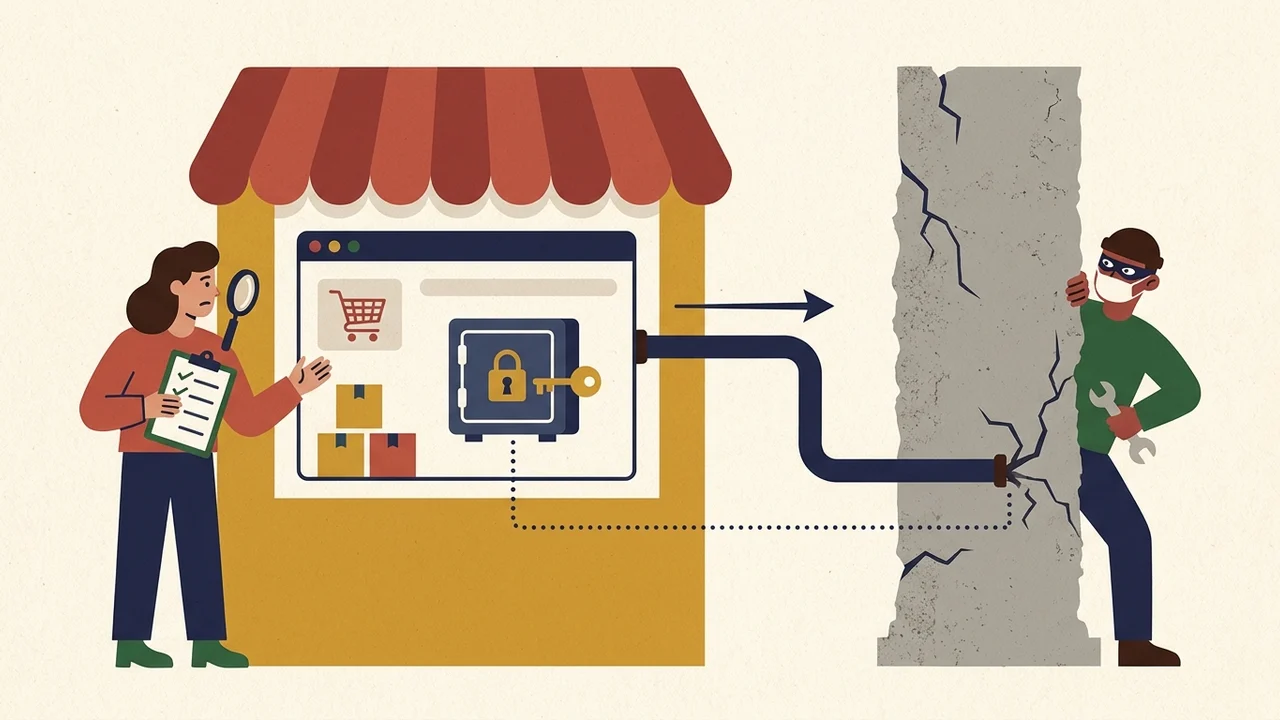
When you ship an early MVP fast, marketplace plugins and external APIs are shortcuts you can’t really avoid. They are also a separate attack surface:
- External plugin architecture: A plugin may talk to someone else’s backend. If the plugin maintainer hosts an API on Node.js or PHP, Bubble’s internal patches do nothing for that server.
- Community observations on external APIs: In the forum thread PHP2Shell - Any impact on Bubble apps or services?, developers point out that the practical exposure for no-code apps usually sits in community plugins running on external servers or in integrations with private PHP backends. These are community inferences, not official bulletins. Still, they show where the real supply chain risk lives.
- Platform note ≠ app clearance: “No action required” means you don’t need to touch server files. It doesn’t certify that your API connectors, workflow credentials, or third-party packages have been audited and are sound. A closer look: The Node.js/PHP CVE and Bubble’s.
Practical Security Hygiene for Early MVP Launches
Don’t spend time trying to fix the hosted runtime from inside the Bubble editor. Put that time into the basics that protect your early users and keep investor trust: Same topic: Novee CVE and Agent CI:.
- Enforce Privacy Rules: Protecting data with privacy rules calls privacy rules essential for securing sensitive information, because they’re enforced strictly on the server. Without them, your database can be exposed through client-side queries, no matter how thoroughly Bubble patched Node.js.
- Trim unused plugins: For the first MVP, keep only the plugins you need to validate the core value proposition. Remove experimental or unmaintained modules.
- Safeguard keys and secrets: Make sure third-party API keys (Stripe, AI providers, communication APIs) live only in backend workflows and never show up in client-facing actions.
Bubble’s own assessment that no customer data was compromised is good news for platform stability. Your job is the part it doesn’t cover. Know exactly where Bubble’s responsibility ends, because everything past that line in your app is yours to govern.