OpenAI Agents API Public Beta Beside Anthropic and Bedrock: Harness, MCP, and Sandbox for a Bubble Stack
A pragmatic choice map for Bubble builders and vibe-coders: how OpenAI's managed harness, MCP, and sandboxes streamline AI agent MVPs, why you still need lightweight middleware, and how Anthropic and Bedrock fit into the landscape.
For no-code founders and creators building MVPs on Bubble or leveraging vibe-coding, launching autonomous AI agents used to demand complex, brittle architecture: nested recursive workflows, custom state tracking, and external queue management. The public beta launch of the OpenAI Agents API (September 10, 2026) significantly lowers that technical barrier for validating new product ideas. Worth reading next: OpenAI Agents API Beta: Harness,.
At the same time, the competitive landscape features established managed options: Anthropic Claude Managed Agents (in public beta since April 2026) and AWS Bedrock AgentCore (generally available since June 2026). Here is a hype-free, practical choice map for independent builders looking to validate ideas, collect customer feedback, or demonstrate traction to investors.
What Does a Managed Harness Mean for a No-Code MVP?
In traditional agent development, your application must handle the iterative loop: prompting the model, parsing tool calls, executing functions in your database or external APIs, and returning the outputs.
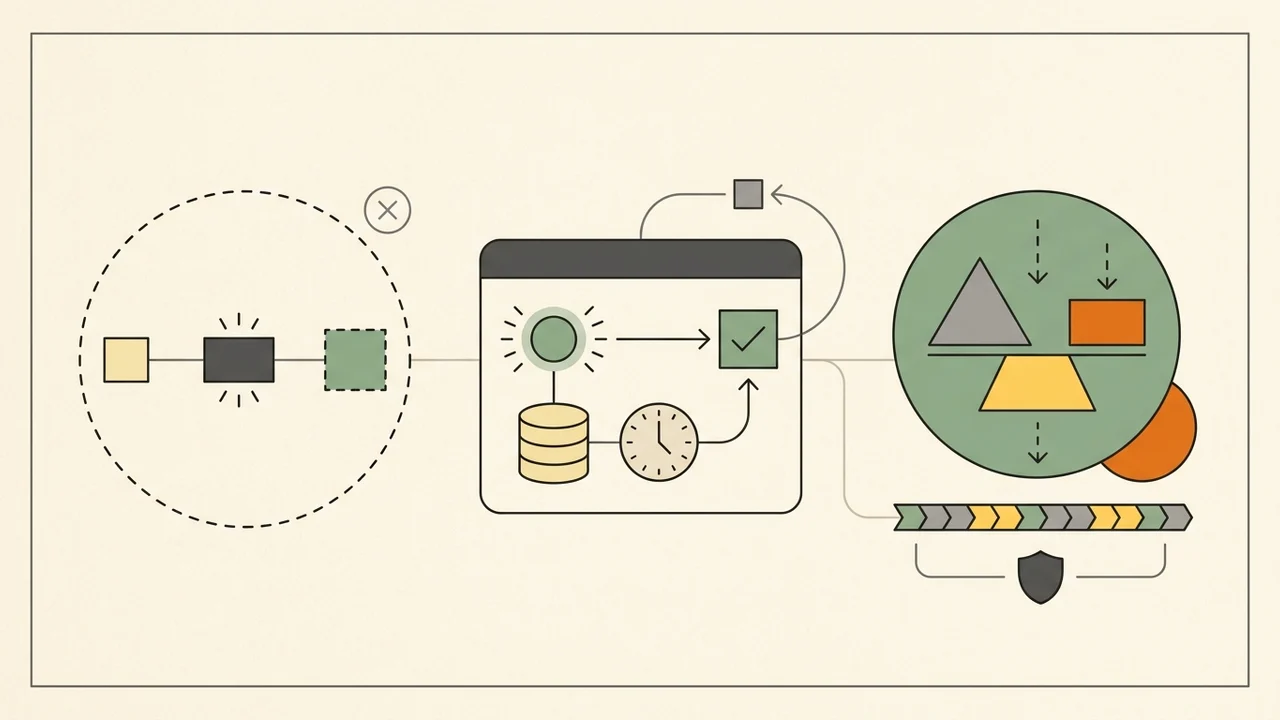
The OpenAI Agents API provides a managed Codex harness. This means OpenAI hosts and manages:
- The execution and tool-calling loop;
- Context compaction to prevent runaway token usage over long tasks;
- Step-by-step recovery and persistent state across durable Sessions.
For a Bubble builder, this eliminates the need to build and maintain recursive loops inside Bubble workflows. Your app defines the Agent, starts a Session, submits prompts, and listens for status events or webhooks.
Core Primitives: Agent, Environment, and MCP
Understanding the architecture helps you avoid over-engineering your MVP:
- Agent & Session: The Agent holds instructions, model selection, and tool declarations. The Session represents ongoing, stateful work where items, messages, and tool events are preserved.
- Zero Compute (
environment.type: none): This is the sweet spot for many Bubble MVPs. If your agent only queries your Bubble database or external APIs, you do not need a Linux container. The harness executes remote HTTP MCP tools (connection_origin: service) or standard function tools directly. - Sandboxes: When your product concept requires running Python/Node scripts, transforming messy CSVs, or compiling files, OpenAI offers managed Linux workspaces (
openai_hosted). You can also bring self-hosted environments viacodex exec-serveror partner sandboxes (such as Modal, E2B, or Cloudflare). - Model Context Protocol (MCP): Agents API supports MCP over HTTP or in-environment stdio, standardizing how models discover and execute third-party integrations. A closer look: OpenAI Agents API public beta:.
The Reality Check: Why Bubble Still Needs Middleware
While vibe-coding often creates the impression that an API can be called straight from a frontend button, production safety requires a thin middleware layer (e.g., a lightweight Node.js worker or Cloudflare Worker) between Bubble and OpenAI:
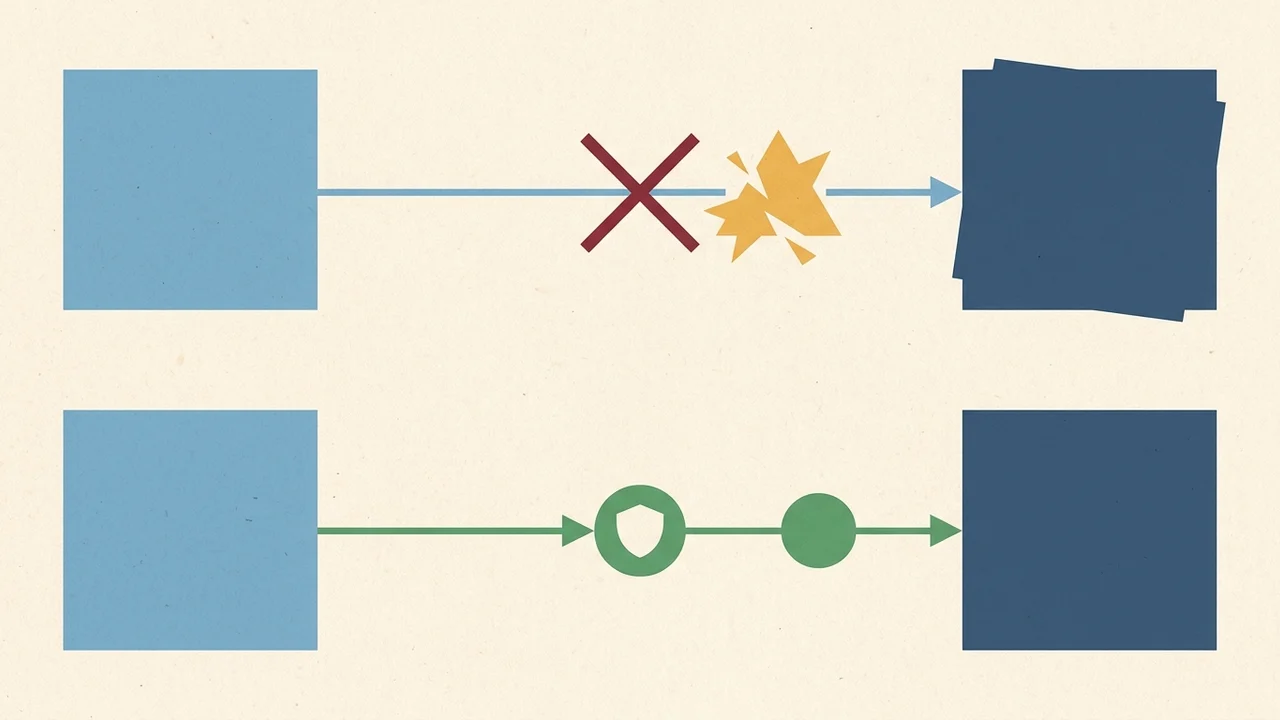
- Secret Management: You must keep your OpenAI API keys and third-party credentials off the client-side Bubble browser.
- Long-Running Timeouts: Autonomous agent jobs can take tens of seconds or several minutes. Bubble's client actions and standard API Connector calls will timeout on long-running tasks. A lightweight worker can start the session, receive webhooks from OpenAI, and safely write results into the Bubble Data API.
- Data Residency and Privacy: Under the current public beta, session state is held by OpenAI, data residency is US-only, and Zero Data Retention (ZDR) is not supported for sessions. If your MVP targets regulated industries or European enterprise customers with strict GDPR requirements, this architecture requires careful boundary setting.
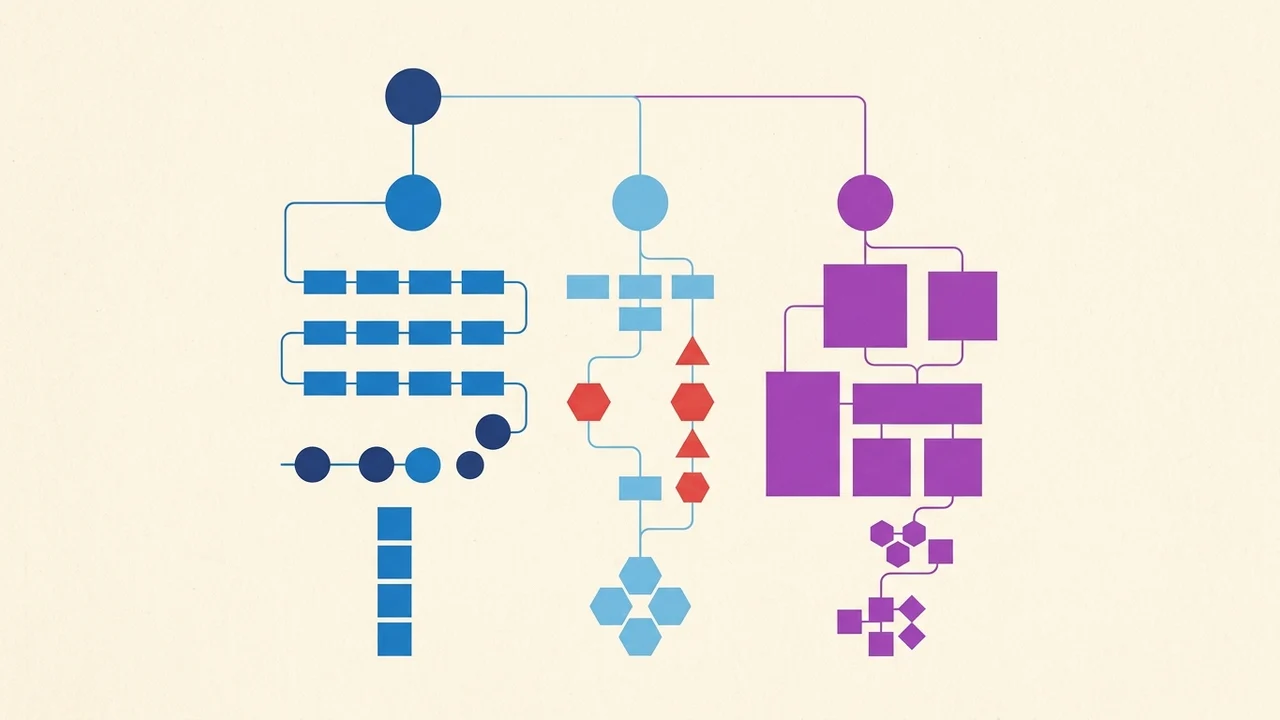
The Choice Map: OpenAI vs. Anthropic vs. AWS Bedrock
- OpenAI Agents API: Best for rapid prototyping when you want an all-in-one loop with zero infrastructure overhead. OpenAI charges no separate platform fee for the Agents API—costs are strictly tied to model tokens, tool calls, and container runtime hours if using hosted sandboxes.
- Anthropic Claude Managed Agents (public beta since April 2026): A compelling alternative if your workflow depends specifically on Claude's reasoning style or native multi-agent coordination.
- AWS Bedrock AgentCore (GA since June 2026): A platform-level harness designed for teams prioritizing AWS enterprise governance, strict IAM access controls, and multi-model flexibility across providers. Same topic: OpenAI Agents API (public beta).
Practical Next Steps for Your Bubble Launch
- Prototype with
environment.type: none: Validate your core customer workflow using simple API calls and remote MCP before introducing hosted compute costs. - Design an Asynchronous UI: Use Bubble custom states or database fields to display an active agent status, updating the interface once the webhook confirms completion.
- Monitor Token Economics: While automated context compaction prevents overflow errors, iterative tool loops still consume tokens rapidly. Factor real token usage into your MVP unit economics before setting subscription prices.